The Future of Managed IT Support for SMEs

A failed laptop is frustrating. A failed backup, compromised email account or internet outage can stop a small business from serving customers altogether. The future of managed IT support is therefore not about adding more technology for its own sake. It is about preventing avoidable disruption, making better decisions earlier and giving businesses one accountable team to call when something needs attention.
For small and mid-sized organisations, this shift matters. Technology is now woven into almost every daily task: taking payments, booking appointments, accessing customer records, communicating with suppliers and collaborating with staff. When those systems are poorly managed, the cost is felt in lost time, lost confidence and, sometimes, lost revenue.
The future of managed IT support is preventative
Traditional IT support often worked on a break-fix basis. Something went wrong, a business reported it and an engineer worked to resolve it. That model still has a place for unexpected faults, but it is no longer enough as a complete approach.
Modern managed support relies on continuous monitoring and regular maintenance. It looks for warning signs such as a backup that has not completed, a device running out of storage, an unpatched application or unusual activity on a user account. The aim is to resolve small issues before they become a Monday-morning crisis.
This is particularly valuable for businesses without a full internal IT department. An office manager should not need to interpret security alerts or chase different suppliers to establish why the phones, Wi-Fi and cloud systems are not working together. A managed IT partner takes ownership of the day-to-day picture, while keeping the business informed in plain English.
Preventative support also changes how IT budgets are managed. Instead of a series of surprise repair bills, businesses can plan around a clearer ongoing service and a sensible replacement cycle. There will always be larger investments to consider, but fewer decisions are made under pressure.
Security will become part of everyday support
Cyber security is no longer a separate project that can be reviewed once a year and then forgotten. Criminals increasingly target smaller organisations because they may have less formal protection, fewer specialist staff and valuable customer or financial data.
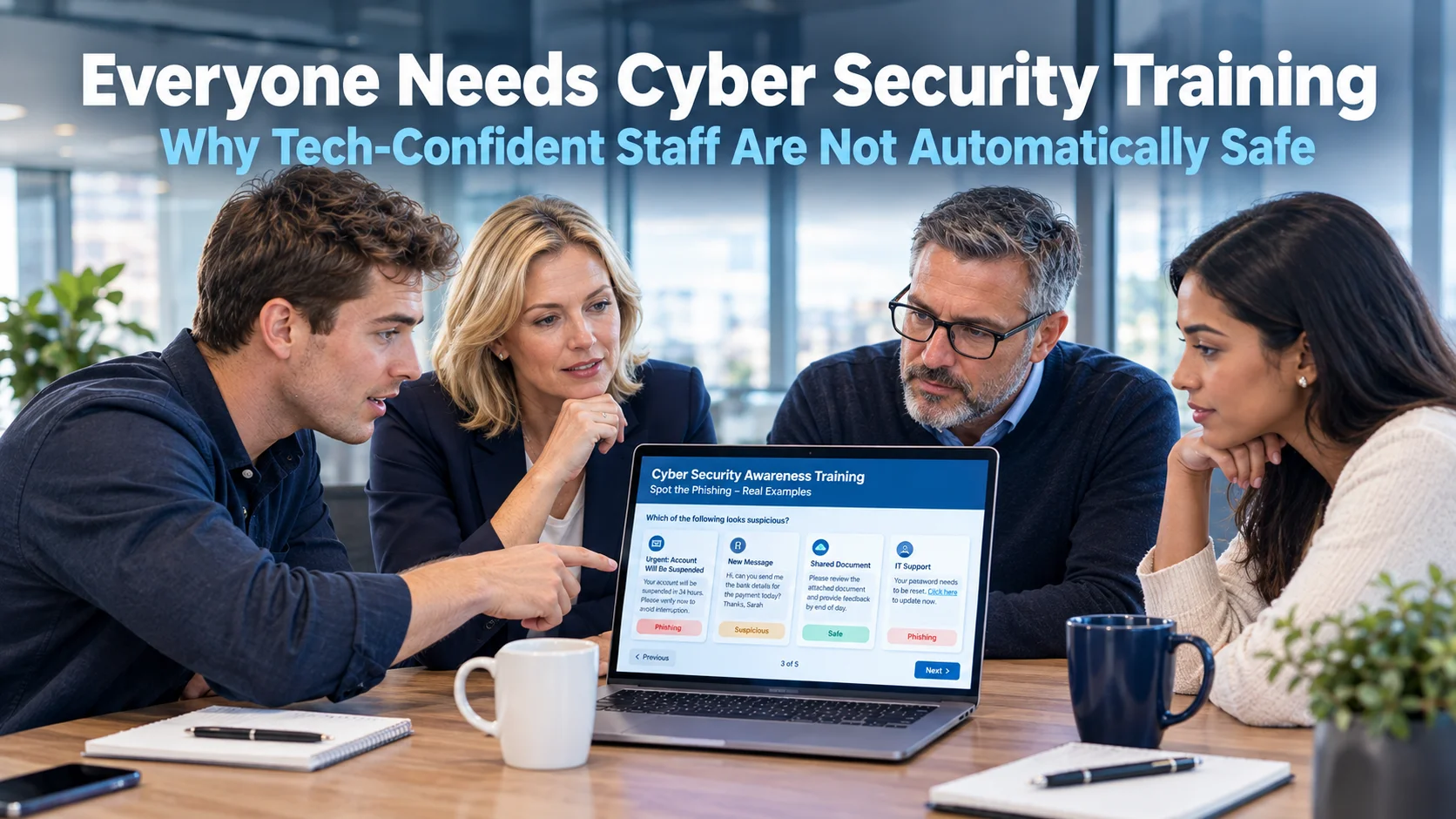
The practical response is to build security into normal IT management. This includes keeping devices updated, using multi-factor authentication, managing access when people join or leave, checking backups and helping staff recognise suspicious emails. None of these measures is glamorous, but together they reduce the most common routes into a business.
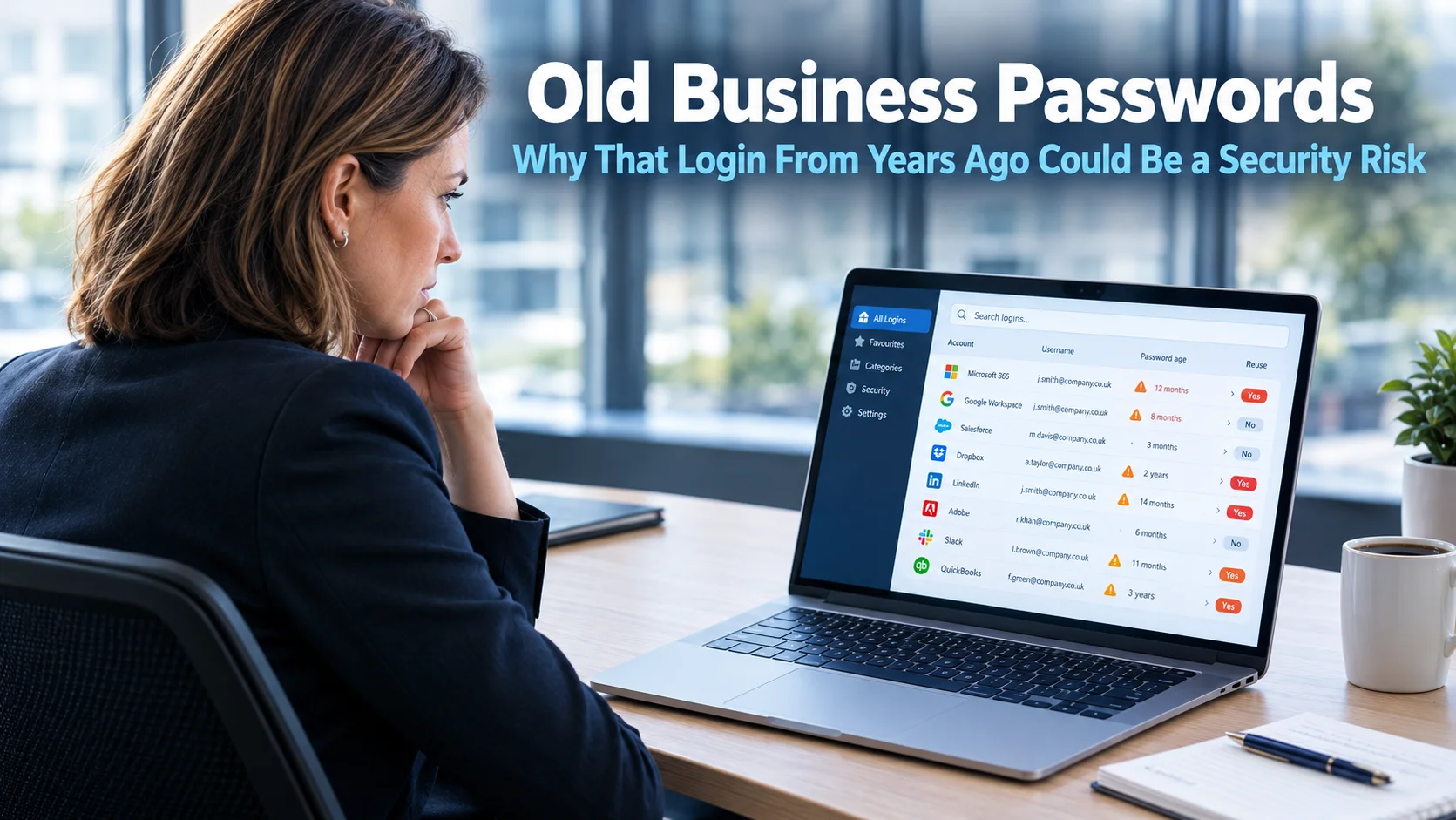
The future will place more emphasis on identity. A user’s login now opens doors to email, files, accounting platforms and cloud applications. Protecting that identity with strong sign-in controls, sensible permissions and prompt account reviews is often more effective than focusing only on the office network.
That does not mean every business needs enterprise-level systems. The right level of protection depends on the data you hold, the software you use, your sector and the likely impact of downtime. A charity handling sensitive supporter information, for example, has different concerns from an automotive garage dependent on diagnostic equipment and booking systems. Both need practical safeguards that match how they actually work.
Backups need to prove they can restore
A backup is not a recovery plan simply because a green tick appears on a dashboard. Files must be recoverable, recovery times need to be understood and copies should be protected from the same incident that affects the live system.
Managed IT support will increasingly include routine checks of what can be restored and how quickly. For a small business, this is a straightforward but vital question: if a key system became unavailable this afternoon, how would we operate tomorrow? The answer should not be left to chance.
AI and automation will reduce routine friction
Artificial intelligence and automation will play a growing role in IT support, but the useful changes are likely to be less dramatic than the headlines suggest. For most businesses, the immediate value is in reducing repetitive work and spotting patterns that people may miss.
Support platforms can already identify recurring faults, prioritise urgent alerts and route requests to the right person faster. Automated processes can create user accounts, apply standard settings to new devices, flag missing security updates and send reminders before contracts or licences renew. These are small improvements individually, but they give staff more time for customer-facing work.
AI can also help businesses make sense of their own information. It may assist with searching documents, summarising meeting notes, sorting enquiries or producing first drafts of routine communications. However, it needs clear boundaries. Sensitive information should not be entered into public tools without understanding where it goes, who can access it and how it may be used.
The best approach is to start with a defined business problem rather than buying an AI tool because competitors are discussing one. If your team spends hours manually moving information between systems, that may be a good automation candidate. If the issue is unreliable broadband or unmanaged devices, fix those foundations first.
One accountable partner will matter more
Small businesses often accumulate a collection of technology suppliers over time: one for phones, another for broadband, a separate web provider, software subscriptions bought by different departments and an IT company called only when something breaks. When an issue crosses those boundaries, nobody appears responsible.
The future of managed IT support is more joined-up. Businesses will expect a partner to understand the wider environment, coordinate suppliers and explain the real cause of a problem without passing them from one helpdesk to another. This does not require every service to come from one provider, but it does require clear ownership and documentation.
For organisations across Sussex, local knowledge can add value here. A nearby support team understands that a connectivity problem in a small office, workshop or charity site is not merely technical. It affects the people waiting to work, customers trying to get through and services that may need to continue regardless.
A good managed provider also works alongside internal IT where needed. Some businesses have capable in-house staff but need monitoring, cyber security expertise, project support or cover during busy periods. The relationship should extend their capability, not create unnecessary overlap.
IT advice will be judged by business outcomes
The managed support model is moving beyond ticket resolution. Speed still matters, especially when someone cannot access a critical system, but the better question is whether technology is helping the business operate well.
That means conversations about planned growth, hybrid working, new premises, compliance needs, ageing hardware and systems that do not share information properly. It means explaining options honestly, including the trade-offs. Cloud services may make remote access easier, for instance, but they require good identity controls and reliable connectivity. Replacing every device immediately may not be necessary, but delaying an obvious risk can become more expensive than a staged refresh.
Regular reviews give business owners a clearer view of priorities. They should identify what needs urgent action, what can be planned over the next year and what is simply not worth spending money on. Plain-English advice is not a soft extra. It is how leaders make confident decisions without needing to become IT specialists.
What small businesses should do now
You do not need to predict every technology trend. Start by understanding your current position. Know which systems are essential to trading, who has access to them, whether your backups have been tested and what would happen if your main internet connection failed.
Then look for the gaps created by fragmented responsibility. If no one clearly owns patching, access management, device standards or supplier coordination, that is where risk tends to build. A focused IT review can turn a long list of concerns into a practical plan, ordered by impact rather than technical jargon.
Finally, choose support that feels like a working relationship, not a distant call centre. My Tech Team works with businesses that want their technology to be stable, secure and aligned with the way they work. The right partner will not pretend that every problem has an instant answer, but they will take responsibility for finding the right one.
The most useful technology should fade into the background while your people get on with their jobs. That is the direction managed IT support is heading: fewer interruptions, clearer decisions and a business that is better prepared for whatever comes next.